
How to Make a Budget in Canada: The 50/30/20 Method
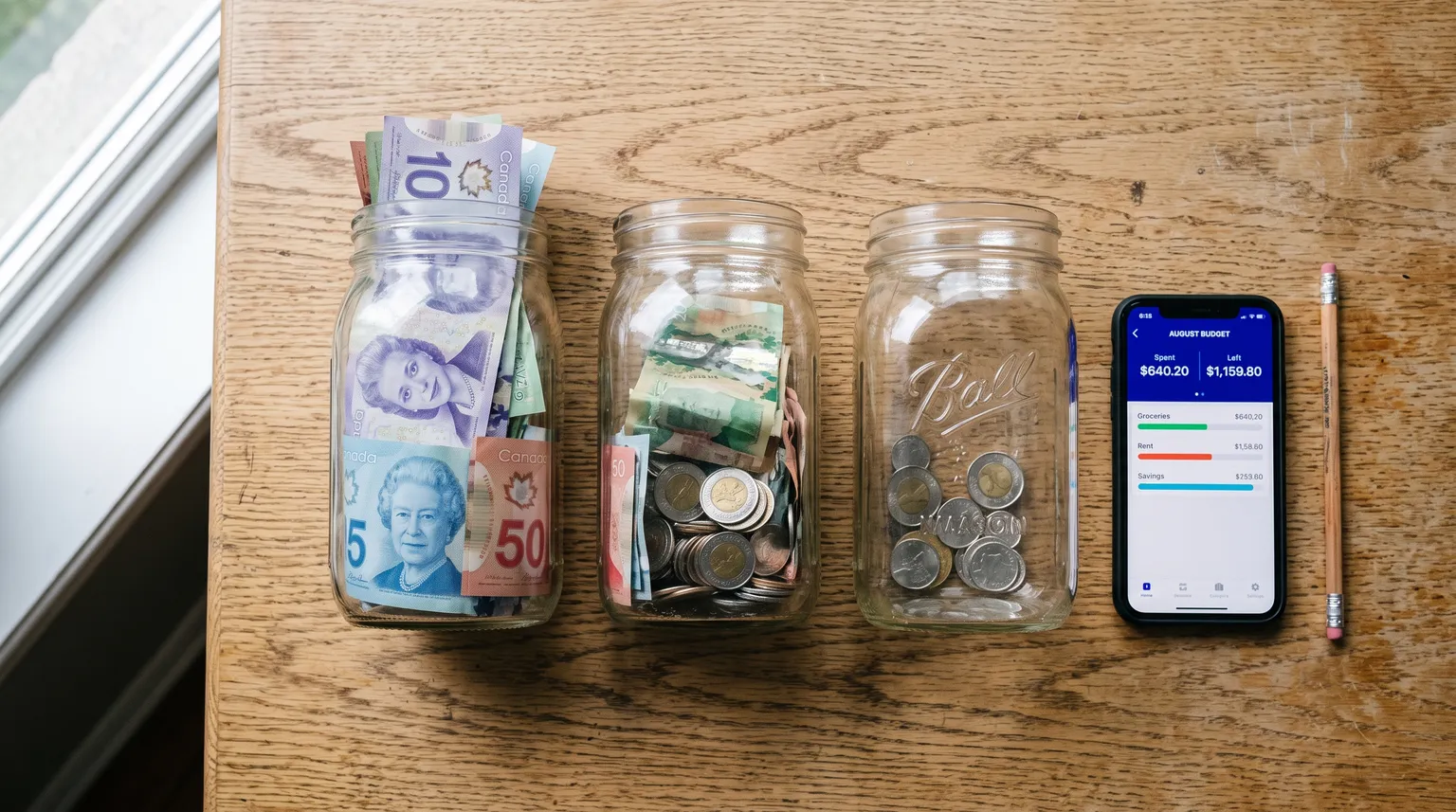
The 50/30/20 method is the simplest way to make a budget in Canada: split your take-home pay so 50 percent covers needs, 30 percent covers wants, and 20 percent goes to savings and paying off debt. That’s the entire rule. No spreadsheet with forty line items, no logging every coffee. The hard part isn’t the math, it’s that Canadians are saving just 3.5 percent of their income right now, the lowest rate in two years (Statistics Canada (opens in a new tab)). This guide covers how to set up a 50/30/20 budget on a real Canadian paycheque, what counts as a need versus a want, and what to do when rent alone eats half your income.
What is the 50/30/20 budget rule?
The 50/30/20 rule is a budgeting method that splits your after-tax income into three buckets: 50 percent for needs, 30 percent for wants, and 20 percent for savings and debt repayment. U.S. senator Elizabeth Warren and her daughter, Amelia Warren Tyagi, popularized it in their 2005 book All Your Worth, and it caught on because anyone can remember it.
The appeal is that it swaps a fussy line-by-line budget for three simple targets. You don’t track forty categories or feel bad about a $6 latte, as long as your wants stay inside their share. It works on the proportion, not the pennies. One thing to get right from the start: the percentages apply to your take-home pay, the money that actually lands in your account after tax, CPP, and EI, not your gross salary.
How do you make a 50/30/20 budget?
Start by finding your monthly take-home pay, then work the three buckets in order: save first, cover your needs, and let what’s left cover your wants. Setting the 20 percent aside before you start spending is the single move that makes the rest hold together.
- Add up your take-home pay. Use what lands in your account each month after deductions. If your income changes week to week, average your last three months and budget from the lower end.
- Automate the 20 percent first. Set up a transfer to a separate savings account for the day after payday, before it gets absorbed into everyday spending. This is the pay-yourself-first trick, and it beats saving whatever’s left at month-end (which is usually nothing).
- Cover your needs, aiming for about 50 percent. Rent, groceries, utilities, insurance, transport, and minimum debt payments.
- Spend the rest on wants. Whatever’s left, roughly 30 percent, is a ceiling rather than a quota. Nothing obliges you to spend it, and if you’re carrying high-interest debt, that slice is the first place to find extra payments. Once the debt is gone and the emergency fund is built, spend it without second-guessing.
Here’s how the split looks across a few Canadian incomes. The median Canadian household takes home about $74,200 a year after tax, or roughly $6,200 a month (Statistics Canada (opens in a new tab)).
| Monthly take-home pay | Needs (50%) | Wants (30%) | Savings and debt (20%) |
|---|---|---|---|
| $3,000 | $1,500 | $900 | $600 |
| $4,000 | $2,000 | $1,200 | $800 |
| $5,000 | $2,500 | $1,500 | $1,000 |
| $6,200 (about the national median) | $3,100 | $1,860 | $1,240 |
If those savings numbers look ambitious, that’s fair. Almost nobody hits 20 percent on the first try. The point is to see the target, then get as close as your rent and bills allow.
What counts as a need versus a want?
A need is something you have to pay to live and work: housing, groceries, utilities, insurance, transport, and the minimum payments on any debt. A want is everything that makes life better but you could cut in a tight month, like dining out, subscriptions, and travel. When you’re unsure, ask whether skipping it for a month would cause a real problem or just disappoint you.
| Needs (50%) | Wants (30%) | Savings and debt (20%) |
|---|---|---|
| Rent or mortgage | Restaurants and takeout | Emergency fund |
| Groceries | Streaming and subscriptions | TFSA, FHSA, or RRSP contributions |
| Utilities, phone, internet | Travel and hobbies | Extra debt payments above the minimum |
| Insurance | Clothes beyond the basics | A down payment or big goal |
| Transit, gas, car payment | Concerts, gym, nights out | Retirement and investing |
| Minimum debt payments | Gifts and treats |
The line people trip on most is debt. Your minimum payments are a need, so they sit in the 50 percent. Any extra you throw at a credit card to clear it faster counts as the 20 percent bucket, because paying down high-interest debt builds your net worth the same way saving does.
Does the 50/30/20 rule actually work in Canada?
It works as a starting template, not a strict law, and for a lot of Canadians the honest answer is that needs already run past 50 percent. Housing is the reason. The national average asking rent sat around $2,008 a month in early 2026 (Rentals.ca (opens in a new tab)). On the median take-home of about $6,200, that’s already a third of the budget before a single grocery run, and for anyone earning less, or renting in Toronto or Vancouver, rent alone can pass half.
The method still works. You just flex the ratios. Housing is generally considered affordable at up to 30 percent of income, yet plenty of Canadians are well above that, so treat 50/30/20 as the shape you’re aiming for, not a pass-fail test. If your needs are 65 percent, run a 65/15/20 split and protect the savings slice as hard as you can. The 20 is the number that matters most.
The encouraging part: with the national savings rate at just 3.5 percent, writing down a budget and automating any amount already puts you ahead of most people. Even 5 percent saved consistently beats a 20 percent goal you abandon in February. If you want the exact numbers for your situation, the Financial Consumer Agency of Canada’s Budget Planner (opens in a new tab) is a free government tool that does the sorting for you.
Is 50/30/20 better than other budgeting methods?
It’s the easiest to start, which is why it’s the usual first budget. It isn’t the only option, and the best method is the one you’ll actually keep up.
| Method | How it works | Best for |
|---|---|---|
| 50/30/20 | Split take-home pay into needs, wants, and savings | Beginners who want three simple targets |
| Zero-based budget | Give every dollar a job until income minus spending equals zero | Detail-lovers and very tight budgets |
| Pay yourself first | Automate savings first, then spend the rest freely | People who hate tracking |
Plenty of people blend them: use 50/30/20 for the big picture and pay-yourself-first to make the savings automatic. That combination gets you most of the benefit with the least effort.
What should you do with the 20 percent?
Put the 20 percent to work in order: build a starter emergency fund first, then feed your goals through the right registered account. Cash you’ll need soon belongs somewhere safe and reachable, not in the stock market.
- Emergency fund first. Aim for three to six months of essential expenses in a high-interest savings account. If that feels far off, start with $1,000. Our guide on how to build an emergency fund in Canada walks through the steps.
- Match the account to the goal. A TFSA for flexible, tax-free saving, an FHSA for a first home, an RRSP for retirement. Our breakdown of TFSA versus savings account versus prize-linked savings covers which to pick.
- Park short-term cash in a high-interest account. Everyday rates run around 2.75 percent in mid-2026. Our roundup of the best high-interest savings accounts in Canada compares the current options.
The order matters more than the amounts. A cushion first stops the next surprise from going on a credit card and undoing your progress.
How Lodavo fits in
The 20 percent bucket is the one people give up on first. Savings is invisible and the payoff feels far away, so when money gets tight it’s the easiest slice to skip.
Lodavo makes that slice more rewarding. It’s a free app that gives you free tickets in a weekly cash draw for every week you keep saving: the more you save, the more tickets you earn, with prizes up to $10,000 and a guaranteed weekly prize of at least $100 going to a user. You keep saving in the bank account you already have, and Lodavo never holds your money (here’s how the connection works). It won’t build your budget for you, but it gives the 20 percent something most budgets lack: a reason to look forward to saving this week. Prize-linked savings is the idea behind it. Because saving is more about systems than willpower, a small reward each week is often what keeps the habit alive.
Start your budget this week
You don’t need an app or a perfect spreadsheet to begin. Work out your take-home pay, automate a savings transfer for your next payday even if it’s small, and split the rest between needs and wants. The 50/30/20 method gives you a shape to aim for, and you tighten it as you go.
Ready to make saving the best part of your budget? Download Lodavo free on the Apple App Store (opens in a new tab) or Google Play Store (opens in a new tab) and start earning tickets in this week’s draw for every week you save.
Terms and conditions apply. No purchase necessary (alternate method of entry available). Skill-testing question required. Open to legal residents of Canada who are the age of majority. Odds depend on the number of eligible entries received. Full rules and odds at our contest rules.
Frequently asked questions
Is the 50/30/20 rule based on gross or net income?
How much of the 20 percent should go to savings versus debt?
Is 50/30/20 realistic on a low income in Canada?
How do I stick to a budget once I've made it?
Canada’s first prize-linked savings app
The more you save, the more chances you get to win
Lodavo is free. Keep saving in the account you already use, and earn free tickets in every weekly draw.


 Scan to download